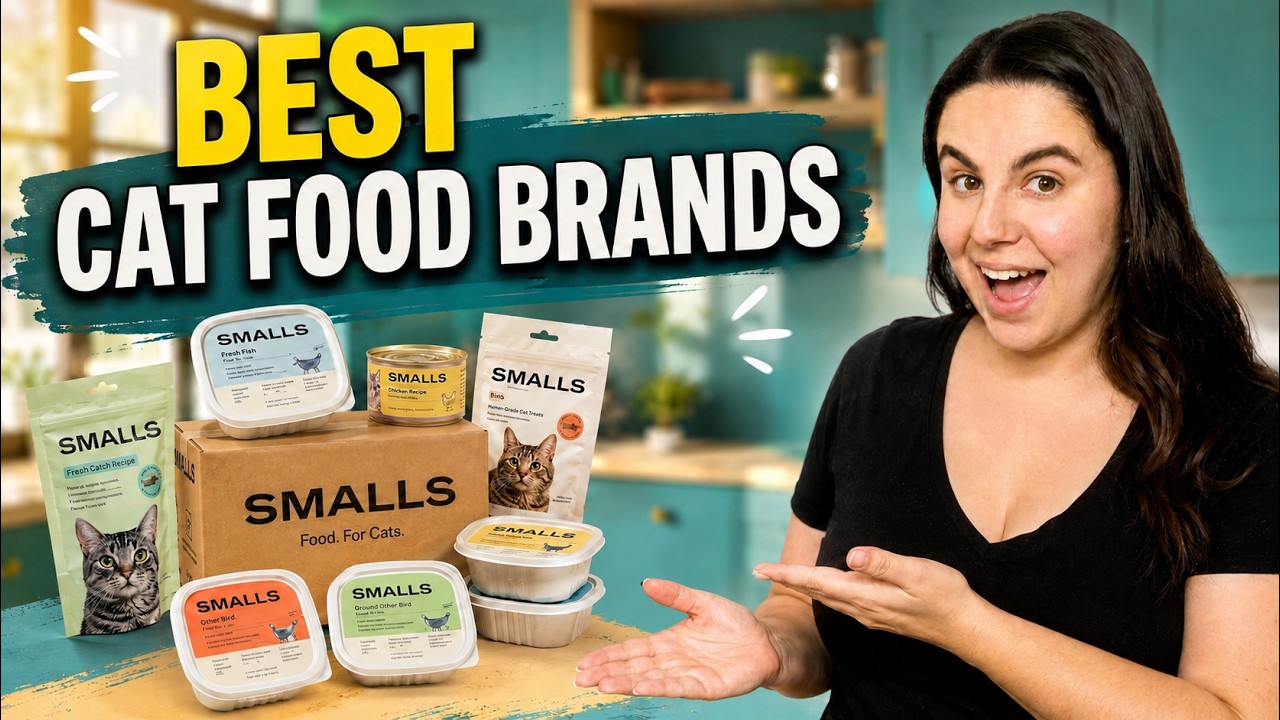
Smalls is fresh cat food built for cats from the start, with six proteins, three textures and unlimited recipe swaps. It won over a picky cat, but it costs more than kibble and needs fridge or freezer space.
- Proteins: beef, chicken, turkey, salmon and cod, and pork.
- Textures: smooth pâté, chunkier ground, and pulled; freeze-dried puffs for cats that like crunch.
- Meal packets ran about $3.50 to $5 each at the time of review, with bulk discounts.
- The first sampler box is refunded in full if your cat won't eat it, with no return required.
Some of these are partner links; they cost you nothing extra. How we earn
On this page9 sections
We don't have a cat of our own, but so many readers asked for cat coverage that we couldn't ignore it. When a friend's cat, Rocky, needed a food upgrade, it was the excuse we needed to dig into fresh cat food. Rocky is a picky eater, and his owner was tired of buying bag after bag of kibble that just sat in the bowl. Smalls kept coming up in our research, so that's what he tried.
This is a feeding review from one cat, not veterinary advice. If your cat has a health condition, check with your vet before changing food.
Quick verdict
Smalls is one of the more thoughtfully built fresh foods for cats: designed for cats rather than adapted from a dog recipe, with enough protein and texture variety that a fussy cat has a real chance of finding something it likes. It worked for Rocky. Go in with realistic expectations on cost, especially with more than one cat, and make sure you have the cold storage for it.
What Smalls is
Smalls isn't kibble with a fresh label on it. It's real meat formulated specifically for cats, not repurposed from a dog food recipe, and that distinction matters because cats are carnivores with quite different nutritional needs from dogs. Every recipe is designed to meet a cat's protein needs first, without the corn and grain fillers that make up a lot of traditional kibble.
Recipes and textures
The protein range is solid: beef, chicken, turkey, salmon and cod, and pork. What stood out most was the texture choice. You're not stuck with one consistency:
- Smooth: a pâté-style option.
- Ground: a chunkier texture.
- Pulled: a shredded consistency meant to tap into a cat's instinct to tear meat.
For cats that insist on crunch, there are also freeze-dried puffs with a kibble-like texture but more protein per bite than traditional kibble. And recipe swaps are unlimited: if your cat isn't into the first protein, you log in and pick a different one for the next shipment. For Rocky, who had turned his nose up at plenty of wet foods before, being able to test options really mattered.
How the plan works
Setup starts with a quiz on the Smalls site: your cat's age, weight and any health considerations. Smalls uses that to build a recommended feeding plan. Everything ships pre-portioned, so there's no guesswork on serving size, with clear storage instructions, because the fresh food has to stay refrigerated or frozen until you serve it. It's a subscription, so you need to stay on top of the delivery schedule to avoid running out or ending up with a surplus.
What it costs
At the time of review, individual meal packets ran between about $3.50 and $5, depending on the recipe and how much you order at once, with bulk discounts bringing the price down further. First-time subscribers usually get a steep discount on the starter box so they can try it before committing to a full plan.
This isn't a budget option. If you have more than one cat, or a cat with a big appetite, the per-meal cost adds up fast compared with kibble, so run the numbers for your household before subscribing.
How Rocky did
After a few weeks on Smalls, Rocky's owner noticed he was actually finishing his bowl, something that almost never happened with his old food. His coat looked shinier too, and the litter box improved, with less odor and more consistency. That's one cat's experience over a few weeks, but for a picky eater it was a clear change.
The guarantee
If you're on the fence, Smalls backs the first sampler box with a full refund if your cat won't eat it, and no return is required. If a later box doesn't land, the company says it will work with you to reformulate rather than leave you with food your cat won't touch. That takes most of the risk out of trying it.
Pros and cons
What works
- Built for cats from the ground up, not adapted from a dog food formula.
- Six proteins and three textures, plus freeze-dried puffs, give picky eaters real options.
- Unlimited recipe swaps if the first one is a miss.
- Quiz-based, pre-portioned meals take the guesswork out of feeding.
- Full refund on the first box if your cat won't eat it.
What doesn't
- Costs much more than kibble, especially for multi-cat households.
- Fresh food needs constant fridge or freezer space.
- Subscription deliveries need managing so you don't run out or overstock.
Frequently asked questions
How much does Smalls cost?
At the time of review, meal packets ran about $3.50 to $5 each depending on the recipe and order size, with bulk discounts and a discounted starter box for new subscribers.
Does Smalls need to be refrigerated?
The fresh food does: it has to stay refrigerated or frozen until serving. The freeze-dried puffs are an option if space is tight.
What if my cat won't eat it?
You can swap recipes as often as you like, and Smalls refunds the first sampler box in full if your cat won't eat it, with no return required.
Is Smalls good for cats with health problems?
The quiz asks about health considerations, but we're not vets. For a cat with a medical condition, check with your vet before switching food.
Filed under
More in Pets
 ComparisonWe Feed Raw vs The Farmer's Dog: Raw or Gently Cooked?Raw against gently cooked: we compared We Feed Raw and The Farmer's Dog on ingredients, recipes, price for a 43 lb dog, and customer service. The Farmer's Dog edged it overall.
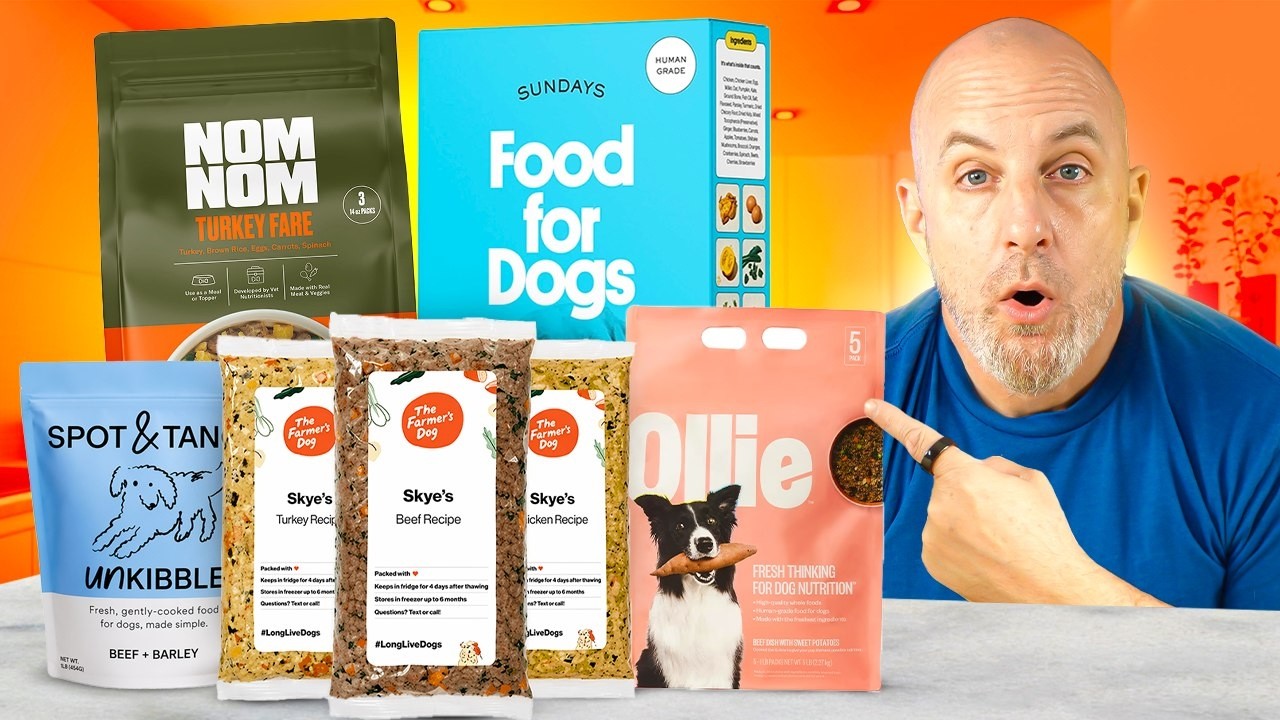 Best ofBest Premium Dog Food Brands: 5 Tested With a Picky EaterWe fed five premium dog foods to a picky eater named Theodore. Spot & Tango worked best overall, The Farmer's Dog was the one he loved most.
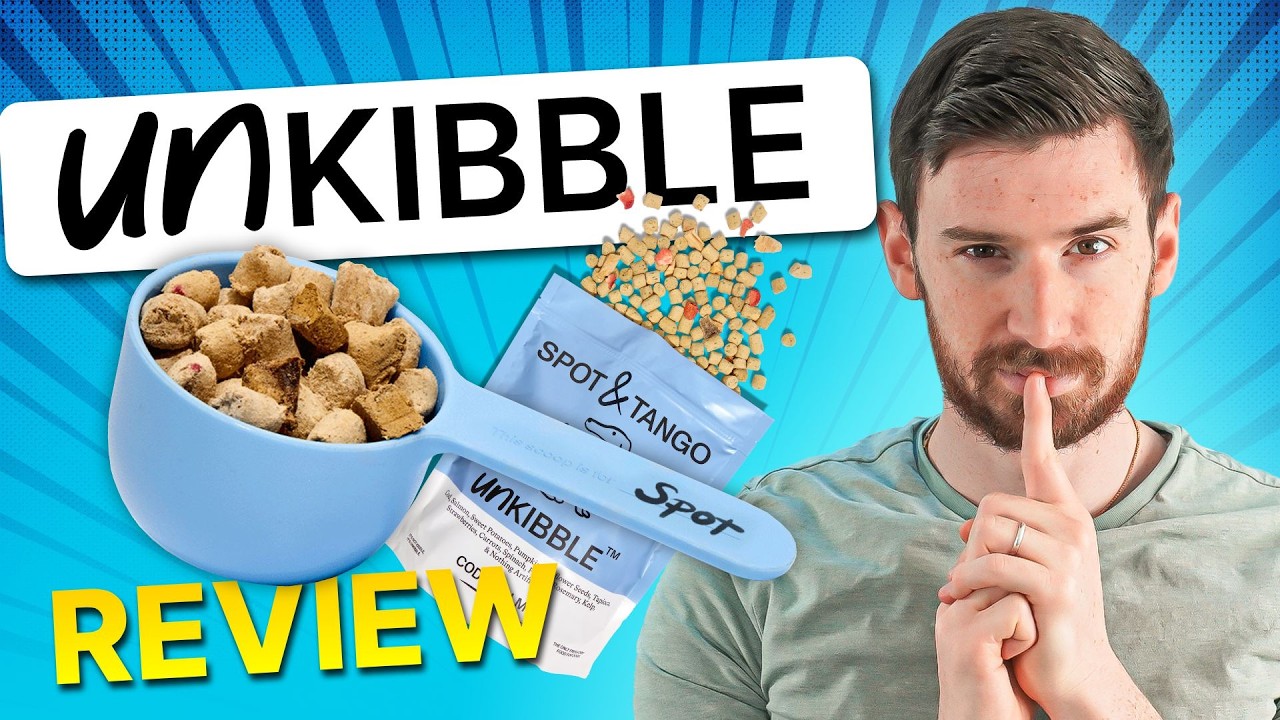 ReviewUnKibble by Spot & Tango Review: Worth the Price?A few weeks with UnKibble, Spot & Tango's gently dried dog food: ingredients, per-meal cost, digestion, convenience, and how it compares with The Farmer's Dog.